Walk through any major industrial facility, data center, or manufacturing plant, and you’ll see welded fabrication everywhere. Those massive steel frameworks, intricate piping systems, and custom equipment housings? They’re all testament to what happens when raw metal meets skilled craftsmanship and engineering expertise.
But here’s what separates good welded fabrication from great: it’s not just about joining pieces of metal together. It’s about creating solutions that simply can’t be bought off the shelf.
What Makes Professional Welded Fabrication Different
At its heart, metal welding fuses materials together using heat, pressure, or both, creating a bond that’s often stronger than the original material itself. But professional welded fabrication is the complete process – the engineering, plasma or laser cutting, metal forming, certified welding, and finishing that transforms raw materials into exactly what your project needs. It’s the process of designing metal fabrications.
Think about it: when was the last time a standard part solved a complex industrial challenge? Whether you’re retrofitting equipment into an existing petrochemical facility, building a custom process skid for food processing, or creating specialized structures for harsh marine environments, you need components built to your exact specifications.
Why Custom Steel Fabrication Beats Standard Components
Strength Where You Need It A properly executed weld doesn’t just connect two pieces – it becomes an integral part of the structure. We’re talking about joints that can handle heavy loads, constant vibration, and extreme conditions without breaking a sweat.
Precision That Matters Every project has unique constraints. Space limitations, specific dimensions, unusual angles – custom fabrication handles what standard parts simply can’t. When we fabricated a replacement burner tube for a client’s critical system, it had to fit perfectly the first time. No modifications, no compromises.
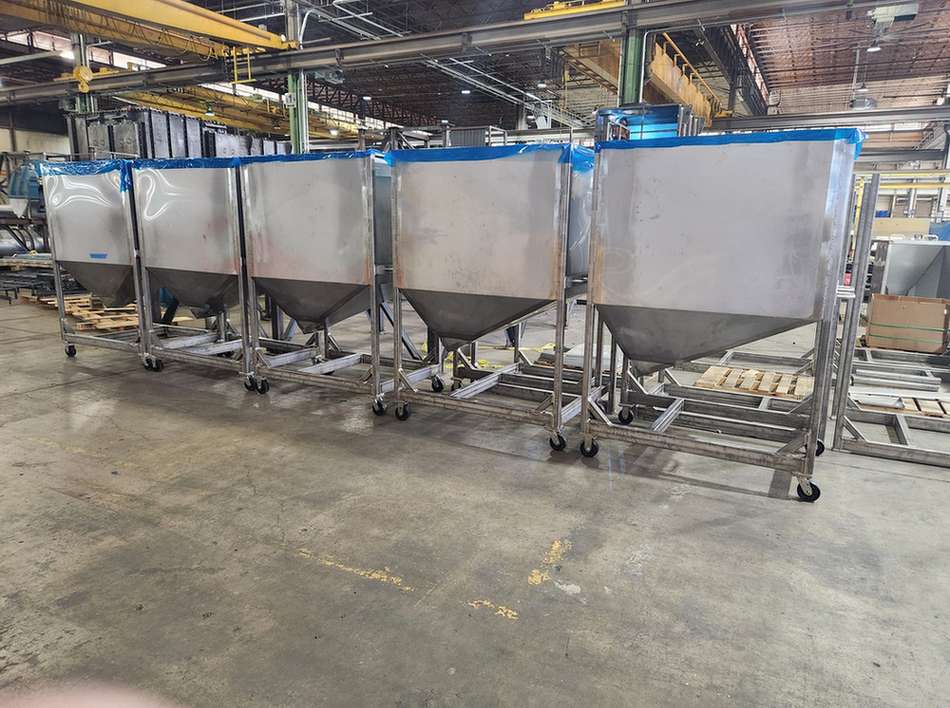
Materials for Your Specific Application Different industries demand different materials and welding expertise. Food processing requires sanitary stainless steel welding that won’t corrode or contaminate. Marine environments need aluminum fabrication that resists saltwater corrosion and are ultimately lighter weight. Power generation and chemical processing can call for specialty alloys like Inconel or Hastelloy. Oil and gas applications require certified pressure vessel welding. Custom metal fabrication lets you choose exactly the right material and welding process for your specific conditions.
Long-Term Value Yes, custom metal fabrication involves different upfront considerations than buying standard parts. But here’s what we’ve learned over 130+ years in Milwaukee’s industrial welding sector: quality fabrication pays for itself. Less maintenance, fewer failures, and systems that work exactly as designed from day one.
The Processes That Make Welded Fabrication Happen
Not all welding is created equal. The right process for your project depends on the material, thickness, precision requirements, and where the metalwork gets done.
MIG Welding (GMAW) is our workhorse for speed and efficiency in steel structural welding. MIG Welding involves a continuous solid-wire electrode which is fed through a welding gun into the weld pool, while a shielding gas, typically an argon or helium mixture, protects the arc and molten metal from contamination. Perfect for structural frames and production runs where we need consistent, clean welds fast.
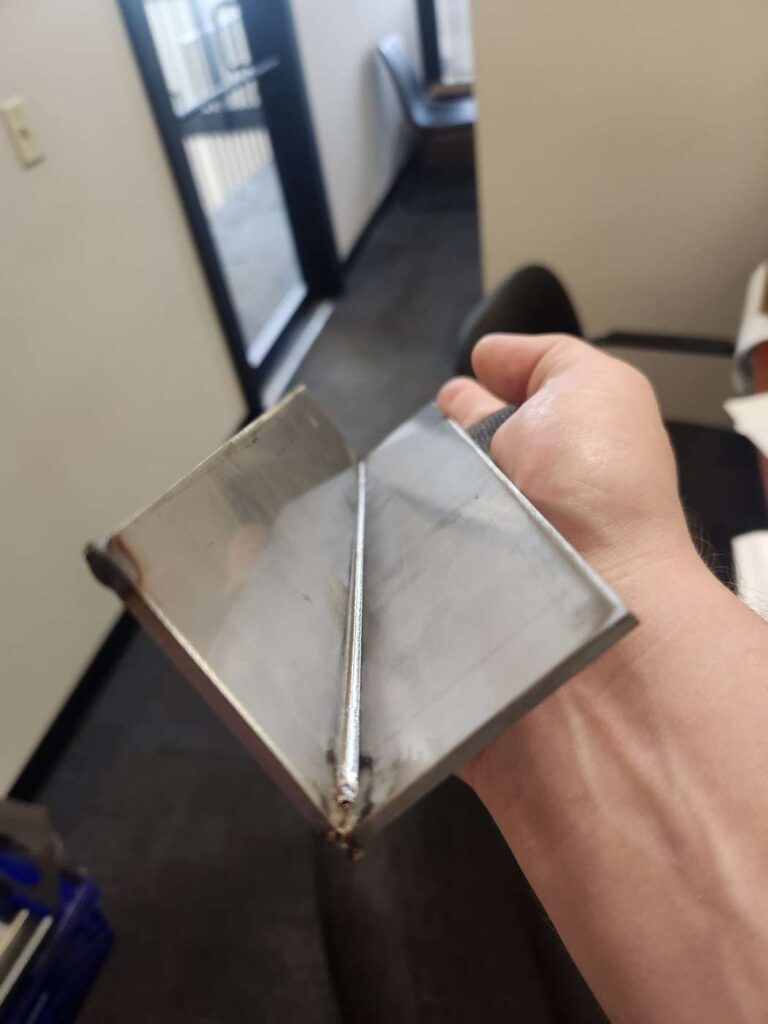
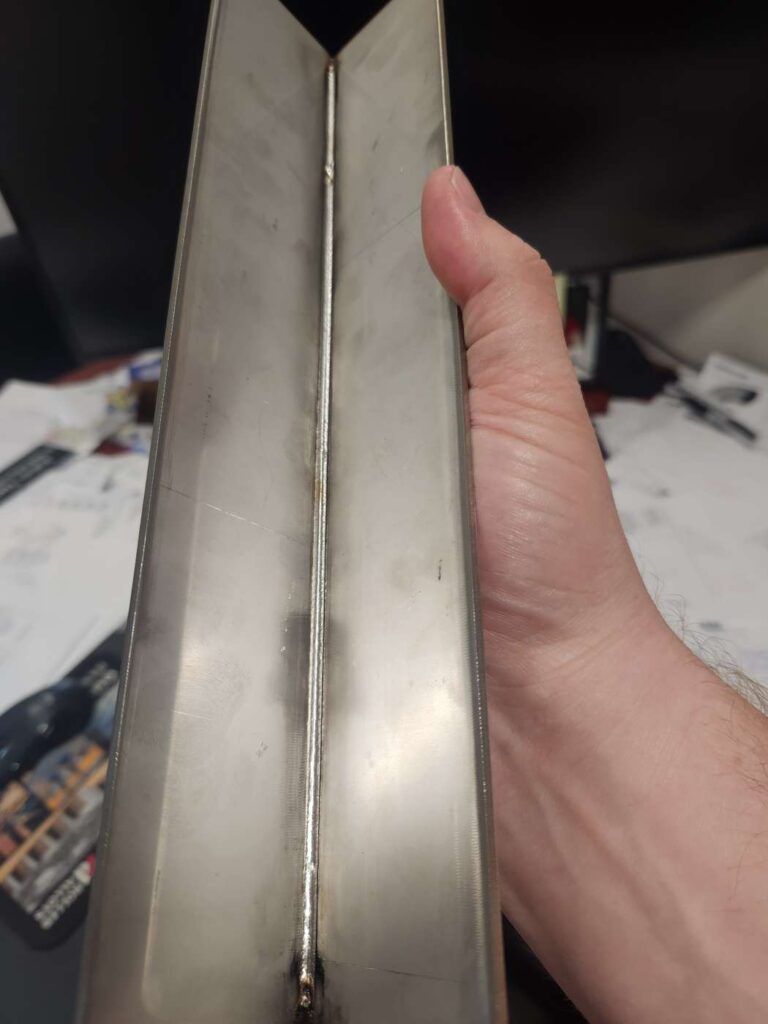
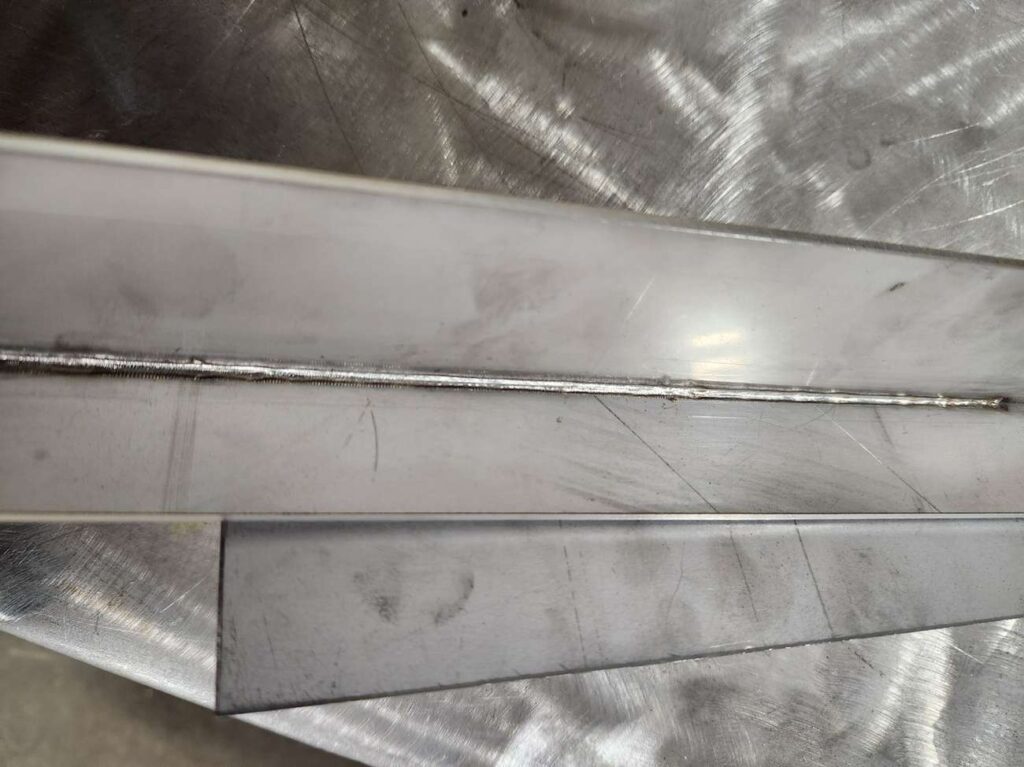
TIG Welding (GTAW) is where precision meets perfection in metal joining. This welding process is unmatched for applications demanding superior aesthetic quality and precision. When you need flawless finishes on stainless steel or intricate work on thin materials, this is the process that delivers.
Stick Welding (SMAW) is the reliable choice for field welding services and challenging conditions. When our technicians are making repairs on-site or working with thicker materials in less-than-ideal environments, stick welding gets the job done.
Laser Welding is the ideal process for micro-applications and projects where extremely high precision and minimal heat input are critical. A focused laser beam melts the material, creating a very small, deep, and clean weld. This method is used for joining delicate or dissimilar metals and is perfect for industries like medical devices or electronics where precision is paramount.
Complete Welded Fabrication Services: From Engineering to Your Dock
Here’s where many metal fabricators fall short – they can weld, but they can’t handle everything else your industrial project needs. We’ve built our Wisconsin fabrication operation differently.
Our engineering team works with you from the concept stage, using 3D modeling and advanced software to catch potential issues before they become expensive problems. Our 182,500-square-foot fabrication shop handles everything from small precision components to massive heavy steel assemblies that require 30-ton cranes to move.
Quality control isn’t something we check at the end – it’s built into every step of our metalwork process. Our certified weld inspectors ensure every joint meets the required AWS and ASME codes and standards. Our certifications aren’t just wall decorations; they’re your guarantee that the structural welding meets the industry’s most demanding standards.
And when your project is complete? We can handle the finishing, painting, and delivery. One source, one contact, one point of accountability.
Industrial Fabrication Solutions Across Key Industries
Every day, we solve problems that off-the-shelf components can’t touch. Here’s how we put our metal fabrication capabilities to work across different industries:
Structural Steel Fabrication When you need heavy steel weldments, custom support platforms, or intricate structural solutions, we bring together our AWS D1.1 certified welders and structural engineers. Take our recent cooling tower access platform project – we used 3D modeling to design a safe, efficient solution, then fabricated the entire carbon steel structure with flux-cored wire in our fabrication shop. The platform was fully assembled in-house to ensure seamless, rapid installation on-site, minimizing downtime and dramatically improving maintenance safety.
Precision Pipe Welding and Process Skid FabricationProcess piping and modular skids demand absolute precision – there’s no room for error when you’re handling hazardous materials or critical plant operations in pharmaceutical or chemical processing facilities. Our pipe fitting team excels at both welded pipe and non-metallic systems. We’ve fabricated everything from complex CPVC process skids for high-concentration acid applications to complete boiler and pump skids that combine certified structural welding, certified pipe welding services, and electrical integration. These “plug-and-play” utility systems arrive at your facility ready to connect and operate.
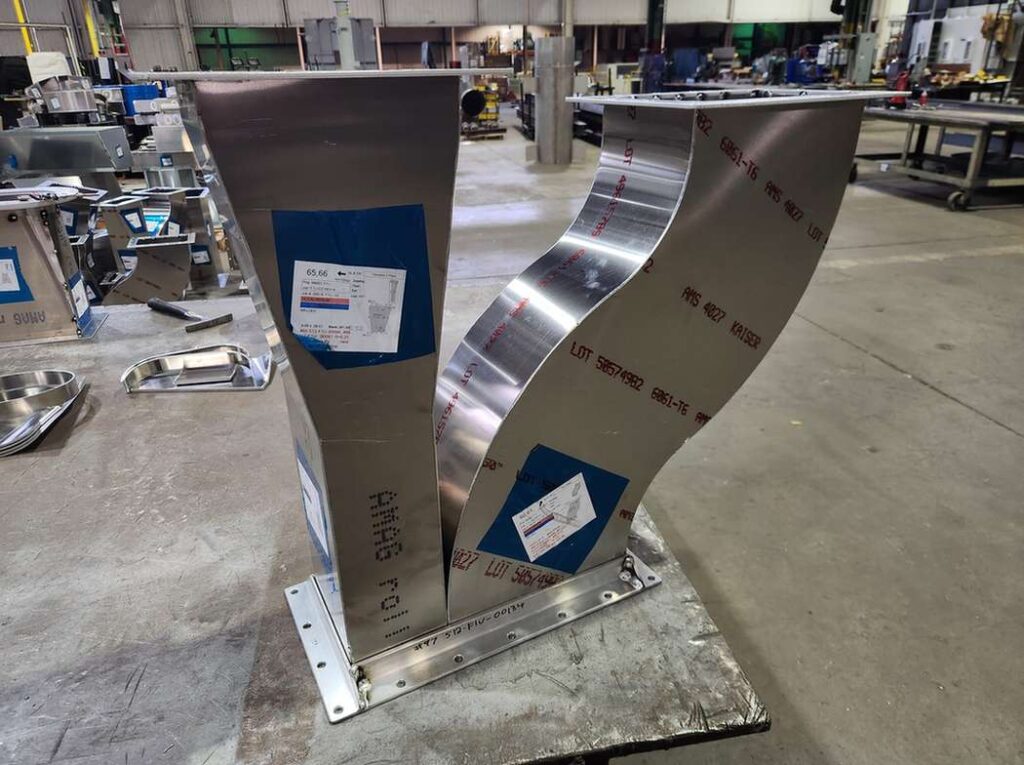
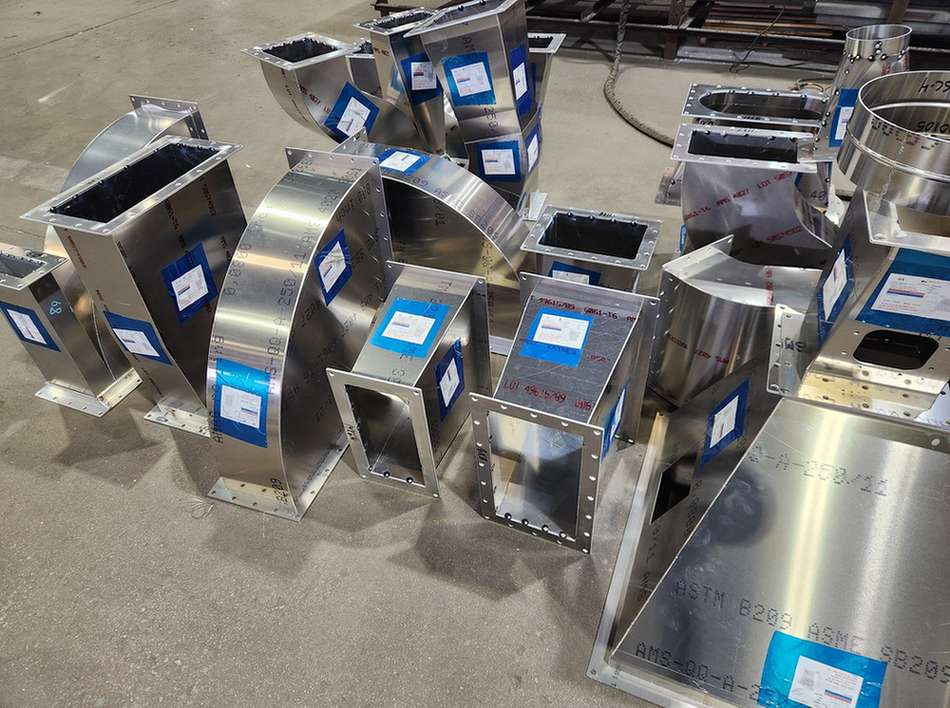
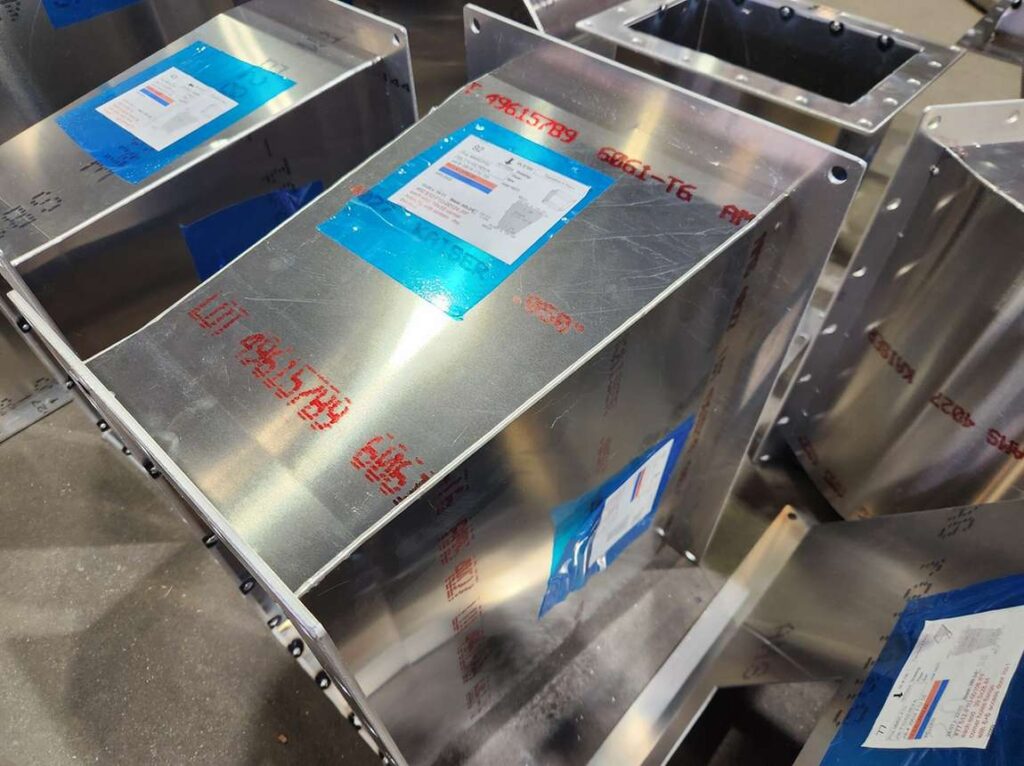
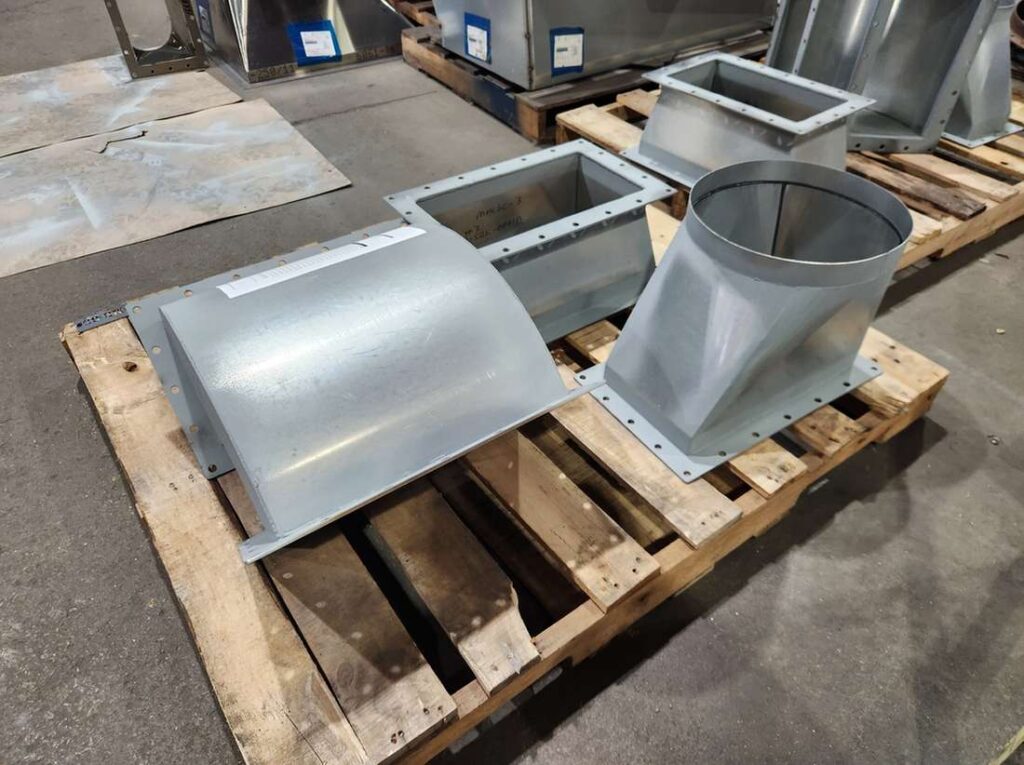
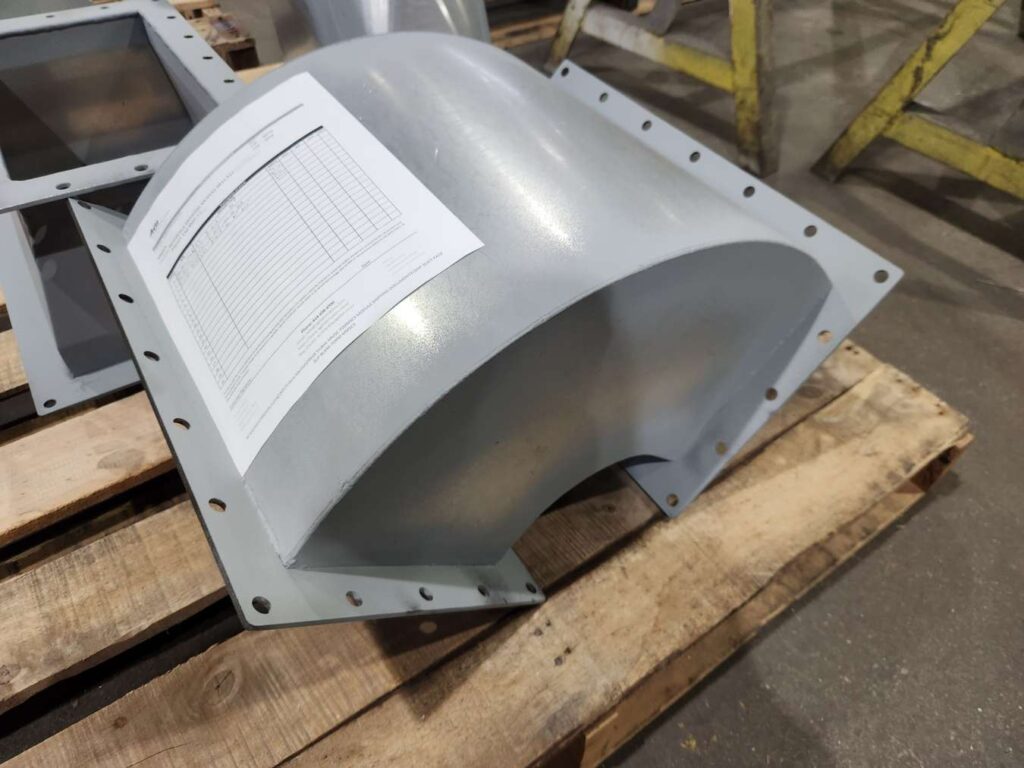
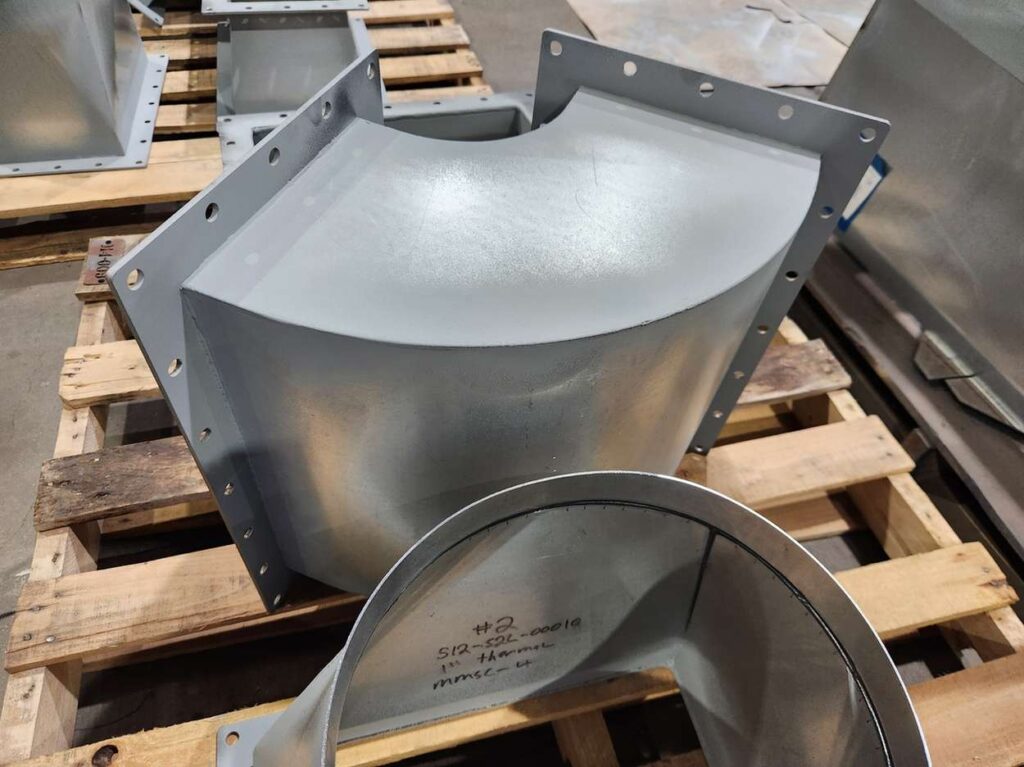
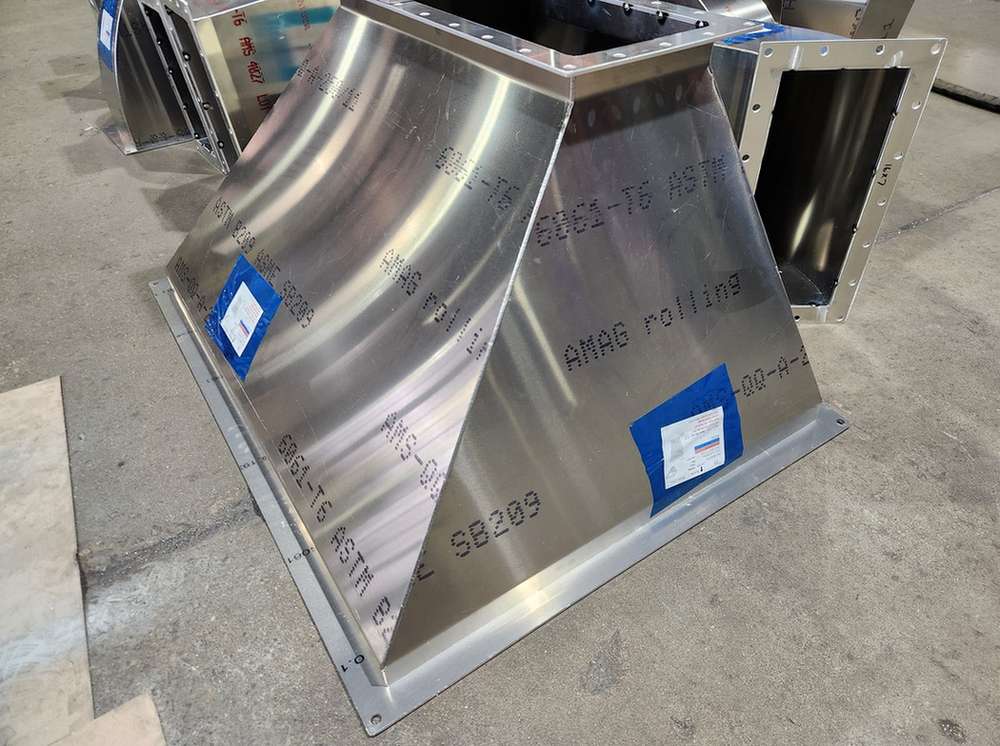
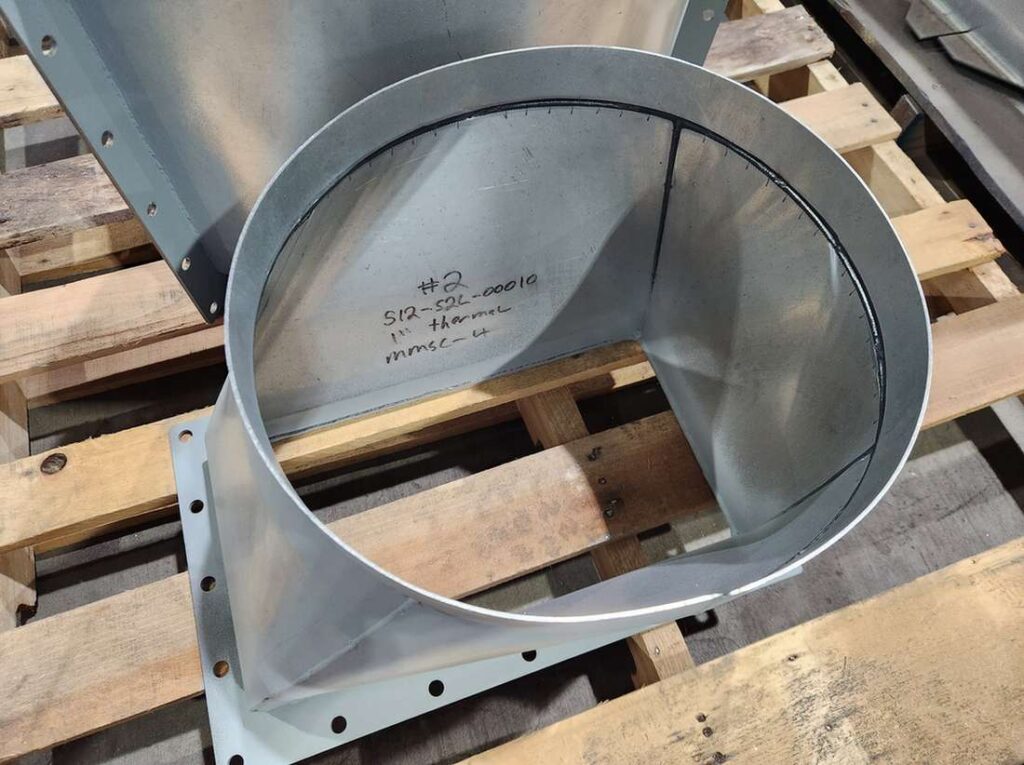
Equipment and Ductwork Fabrication Our roots in industrial ventilation shine through in our large-scale equipment and ductwork capabilities. We can build massive systems like 3-can thermal oxidizers that integrate structural platforms, ductwork, and multiple piping systems into one cohesive unit. Our ductwork expertise spans all standard shapes – rectangular, round, and oval – across various materials. We’ve fabricated over 80 feet of 72-inch diameter stainless steel process inlet ductwork for large pollution control systems, adhering to SMACNA standards for applications from industrial HVAC to sanitary food processing.
Data Center and Modular Solutions The data center industry demands speed and absolute reliability – our specialty. We fabricate mission-critical piping skids and comprehensive chilled water systems for thermal management. By producing these complex modules in our controlled facility, we deliver ready-to-assemble components that enhance quality control, reduce on-site labor, and significantly accelerate project timelines. It’s proof that our century-plus of fabrication excellence adapts perfectly to cutting-edge construction challenges.
Each project reinforces the same truth: when standard won’t work, custom fabrication isn’t just an option – it’s the only option.
Why This Matters for Your Next Project
If you’re reading this, chances are you’re facing a challenge that standard parts can’t solve. Maybe you need industrial equipment that fits specific space constraints. Perhaps you’re working with materials or conditions that demand specialized welding services. Or you might be looking for a certified welding contractor who can handle the entire process from engineering through delivery.
That’s exactly what custom welded fabrication is designed to address. It’s not about making things complicated – it’s about making them right.
When you’re ready to discuss your specific challenge, we’re here to help. After more than a century of solving complex fabrication problems, we’ve learned that the best solutions start with understanding exactly what you’re trying to accomplish.
Ready to explore what’s possible? Contact our team at (414) 438-6700 or click here for more info. Let’s talk about turning your challenge into a solution.
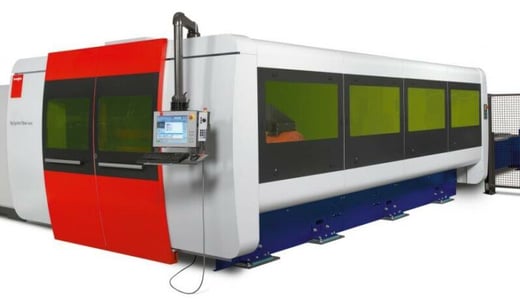
Laser Power: 4 kilowatts of fiber laser power enable efficient cutting of thin to medium-thick metal sheets.
Cutting Capabilities: Capable of processing steel up to 20 mm thick, aluminum up to 15 mm, and stainless steel up to 15 mm.
Energy Efficiency: The fiber laser technology results in lower operating and maintenance costs, along with significant energy savings.
Automation: Features such as an automatic nozzle changer and integrated capacitive scanning enhance productivity and cutting quality.
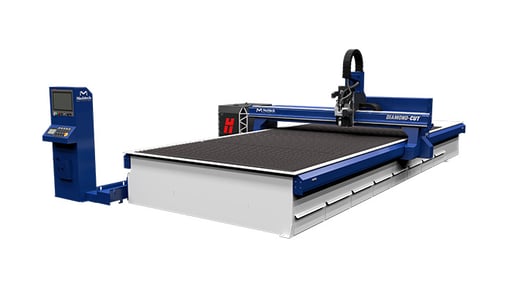
Machitech Diamond Cut Plasma Cutter with Hypertherm XPR300
Cutting Envelope: A generous 10-foot by 20-foot cutting area accommodates large workpieces. Plasma cutting is better suited for rough-cuts and heavy-duty, thicker materials such as structural steel, heavy equipment parts and construction materials.
Plasma Power: Equipped with the Hypertherm XPR300 plasma system, it delivers superior cut quality and speed across various materials.
Construction: Its unitized design with patented inverted linear rails ensures exceptional accuracy and durability.
Advanced Features: 5-axis full contour bevel head for complex cuts, automatic torch height control, and a magnetic torch breakaway system for enhanced safety and precision.
By integrating these advanced machines into our operations, AGI Fabricators demonstrates a commitment to delivering high-quality, precise, and efficient cutting services to our clients.
Contact us today to learn more about our structural metal fabrication capabilities, or request a quote for your prefabrication project.
AGI added a dual purpose to our 2,000SF stainless steel room this summer by incorporating a bleeding edge welding technology to our tool kit. The industry’s newest welding technology is called “laser welding” and uses a fiber optic light to generate precise heat and control to fuse base metal and filler wire in typical welding applications. This is a process that can take the place of MIG/TIG at nearly 4x and 10x the typical welding speed respectively.
Where Is Laser Welding Used?
AGI has successfully applied this technology in stainless steel food grade applications, aluminum and galvanized ductwork, and will be utilizing it for our Winkler Blast Gate division. We are seeing an immediate increase in productivity (decrease in welding time) and improved quality across numerous projects. This tool is incredibly easy to use and learn, often easier to learn with the less conventional welding experience you have.
Our next steps with this technology are to qualify some AWS (American Welding Society) certifications. We would like to qualify procedures that are consistent with industrial fabricated ductwork from stainless steel and carbon steel. Our in-house CWI is generating Qualified Welding Procedures in AWS D9.1 specifications to help us further integrate this laser welding technology in our operation. AGI continues to implement technology to enhance our industrial welded ductwork and blast gate fabrication talents.
Prefabrication is the process of building a structure in a controlled facility for installation at a predetermined site. By manufacturing and assembling these components in a controlled environment, you can reduce onsite labor costs and increase overall productivity. Learn more about prefabricated structural components, product types offered by AGI Fabricators, and the benefits of choosing prefabricated components.
What Are Prefabricated Components?
Prefabricated structural components are any components, such as metal beams, columns, panels, and platforms, intended for a final project site. In contrast to building the entire structure on site, prefabricated structures are built in a fabrication facility and are mostly complete by the time they are delivered to the installation site. Once there, they are assembled and installed.
Product Types
AGI Fabricators offers pipe, structural steel, and equipment fabrication. As long-term industry leaders, we have experience in many disciplines, markets, and materials, which allows us to tailor our prefabricated structural components to meet a variety of industry requirements.
Pipe Fabrication
We fabricate steel pipes and components, including tees, elbows, reducers, and flanges, to allow for the transport of gases, liquids, and solids within modern infrastructure. Our capabilities include cutting, beveling, and welding in alignment with industry standards and specifications.
Structural Components
Our structural fabrication team includes structural engineers, certified catalog and field welders, project managers, and an in-house certified weld inspector to verify that every weld meets industry and safety regulations. We have the most advanced tools and equipment to get the job done right, including systems like AutoCAD, Revit, and SolidWorks.
Equipment Fabrication
We are here for every stage of your project, including design, testing, and startup. Our large-scale equipment fabrication capabilities make sure controls and programming are properly completed, all components function as intended, and the system is easily installed in the field. We have years of experience working with a wide range of materials, including:
Aluminum
Carbon steel
Stainless steel
Duplex stainless
High-alloy steel
And more
Benefits of Prefabricated Components
While there is a time and place for on-site structural steel fabrication, prefabrication offers many benefits for specific applications.
Cost Savings
While the initial investment is higher, the long-term cost savings of prefabrication are significant, making it a great option for large-scale projects and high-volume prefabrication of stainless steel components. These cost savings come in the form of:
Reduced labor costs
Time savings
Material savings
Increased productivity
Transportation efficiency
Custom Solutions
You can take the time to design and test custom components off-site for specific applications. These parts are then easily duplicated through automated fabrication systems.
Environmental Impact
Off-site prefabrication is an environmentally-friendly choice that has far-reaching implications:
Reduced dust and pollution
Reduced noise pollution
Reduced material waste
A smaller job site footprint, which protects local plant and animal life
Improved Safety
Within a controlled environment, workmanship, comfort, and safety aren’t compromised by adverse weather conditions. In the facility, you can easily create a safety zone around the work area, whereas on a construction site, a welder may be forced to work next to gas lines, large equipment, material storage, or other people.
Furthermore, a prefabricated component can be installed more quickly on-site, reducing time spent on the job site and reducing the number of people who may have to be involved. With less crowding and fewer materials in the way, the process is streamlined and creates fewer opportunities for mishaps and injuries.
Pipe, Structural Steel, and Equipment Fabrication With AGI Fabricators
Since 1893, AGI Fabricators has specialized in custom fabrication projects to serve commercial and industrial clients throughout North America. Our prefabrication solutions make it easier for construction companies to complete projects on time, within budget, and according to industry safety and quality standards.
With certified welding capabilities, structural engineering services, short proposal turnarounds, minimal lead time, and a 100% satisfaction guarantee, we proudly serve clients in a range of industries:
Food processing
Chemical
Environmental
Material handling
Pharmaceutical
Pollution control
And more
Contact us today to learn more about our structural metal fabrication capabilities, or request a quote for your prefabrication project.
Creating large-scale metal structures is a massive undertaking. Everything from high-rise apartment buildings to military ships relies on structural fabrication to have long-lasting, sturdy frames and structural elements. At AGI Fabricators, we provide high-quality structural fabrication services starting from the scope and design stages through to on-site assembly and inspection. Learn more about structural fabrication, the multi-stage process of producing structural fabrications, and how we can manage your next project.
What Is Structural Fabrication?
Structural steel fabrication is a manufacturing process that can create a wide variety of different structural products from hard materials, such as carbon and stainless steel. Structural fabricators use different cutting, forming, bending, and assembly techniques to create structures either from a single structural piece or a complex assembly of multiple pieces. Manufacturers and their clients can use structural metal fabrication processes to create goods and installations like:
Steel Construction and Construction Components
Industrial Equipment
Heavy Duty Tools
Consumer Goods
Structural Fabrication Process
While countless different types of components can be structurally fabricated, the process of creating unique products follows the same broad steps, regardless of industry or scale. At AGI Fabricators, we follow this multi-step process to define the project, design and refine the products, and fabricate them.
Planning Stage
The planning stage is the initial step before designing or metalwork can begin. It’s comprised of these two phases:
Establishing and Presenting the Initial Scope
Structural steel fabrication is a project, and it needs a robust project plan with a clear scope before work can begin. Outlining the scope involves identifying the following:
Materials
Costs
Any Environmental Concerns Affecting the Project
Location Parameters
By the end of this stage, the planning and design team will present an overview of the finished project to the fabrication team for in-depth parts selection.
Estimating Rough Order of Magnitude
In this phase, decision-makers look more closely at the cost, labor, and effort the project will require. This information, along with the material costs, will make up the budget estimate. Once this information is prepared, the project can be approved and transitioned to the design stage.
Estimating Rough Order of Magnitude
The design stage encompasses all the steps to create the detailed fabrication plan. It involves these three phases:
Creating and Sending Conceptual Design for Approval
Here, designers and fabricators will work together to specify the right materials and components for the design, i.e., which parts are standardized and which must be custom-made.
Performing Structural Engineering
The engineering team will survey the project to ensure the optimal outcome. Our professionals will consider factors such as:
Identifying the Key Objectives
Finalizing Material Selection: Especially in regard to environmental conditions like indoor or outdoor use
By the end of this phase, the engineering team will complete a step-by-step breakdown of the tasks for the project, including a timeline.
Developing Catalog Fabrication Drawings
Next, designers will create catalog drawings and product or structure blueprints. Today, these design plans are typically made through state-of-the-art industry software, which can help virtually control design parameters, industrial or building code requirements, and other factors. Once the designs are complete, virtually tested (as needed), and approved, the project will move to the fabrication stage.
Fabrication Stage
Now, the fabrication team will create the entire structure from start to finish. Using powerful CNC machinery and other tools, fabricators will create each of the steel components using techniques such as the following:
Cutting, Including Laser, Plasma or Waterjet Cutting
Bending, Shaping, and Rolling with Specialized Press Brakes or Rolling Machines
Drilling
Fastening, Including Welding and Holes for Bolts and Rivets
Manufacturers operate within extremely tight tolerances to ensure every piece has the right dimensions and has holes or other features added at precisely the right location. Fabricators will follow every detail of the blueprints and product designs.
Testing and Finishing Stage
Once the fabrication is complete, trained technicians will assemble it. Each individual component of the assembly will have a part number etched or engraved into the metal for precise on-site assembly, and fittings, fixtures, or other pieces will be used to complete the installation. In some cases, the fabricated materials will be test-assembled in the catalog.
Next, it will be disassembled, and the pieces will be finished with catalog primer or multi-layer paint. The pieces can even be coated with fireproofing or rust-proofing materials.
At the final stage, the parts will be inspected, shipped, and assembled at the final location. Inspectors can assess the structure annually as needed to create inspection reports.
Industry Applications of Structural Fabrication
Structural fabrication is suitable for a wide range of applications, especially for building large-scale structures and vessels. At AGI Fabricators, we provide structural fabrication services for these and other applications:
Bridges
Building Construction (Commercial and Industrial)
Mining
Shipbuilding
Commercial Construction
Industrial Structural Applications
Choose Complete Structural Fabrication Services From AGI Fabricators
Creating high-quality structural fabrications is an in-depth process that requires multiple teams with the expertise to design, refine, engineer, and build the structures. At AGI Fabricators, we provide comprehensive in-house services and project management to complete your next build from start to finish. Reach out today to request a quote or learn more about our services.